Our Services / Solar EV Charging Station
Solar-Powered Electric Vehicle Charging Station in Patna
Charge EVs with sunshine — solar systems designed for home, office and commercial EV charging.
Our Services / Solar EV Charging Station
Charge EVs with sunshine — solar systems designed for home, office and commercial EV charging.
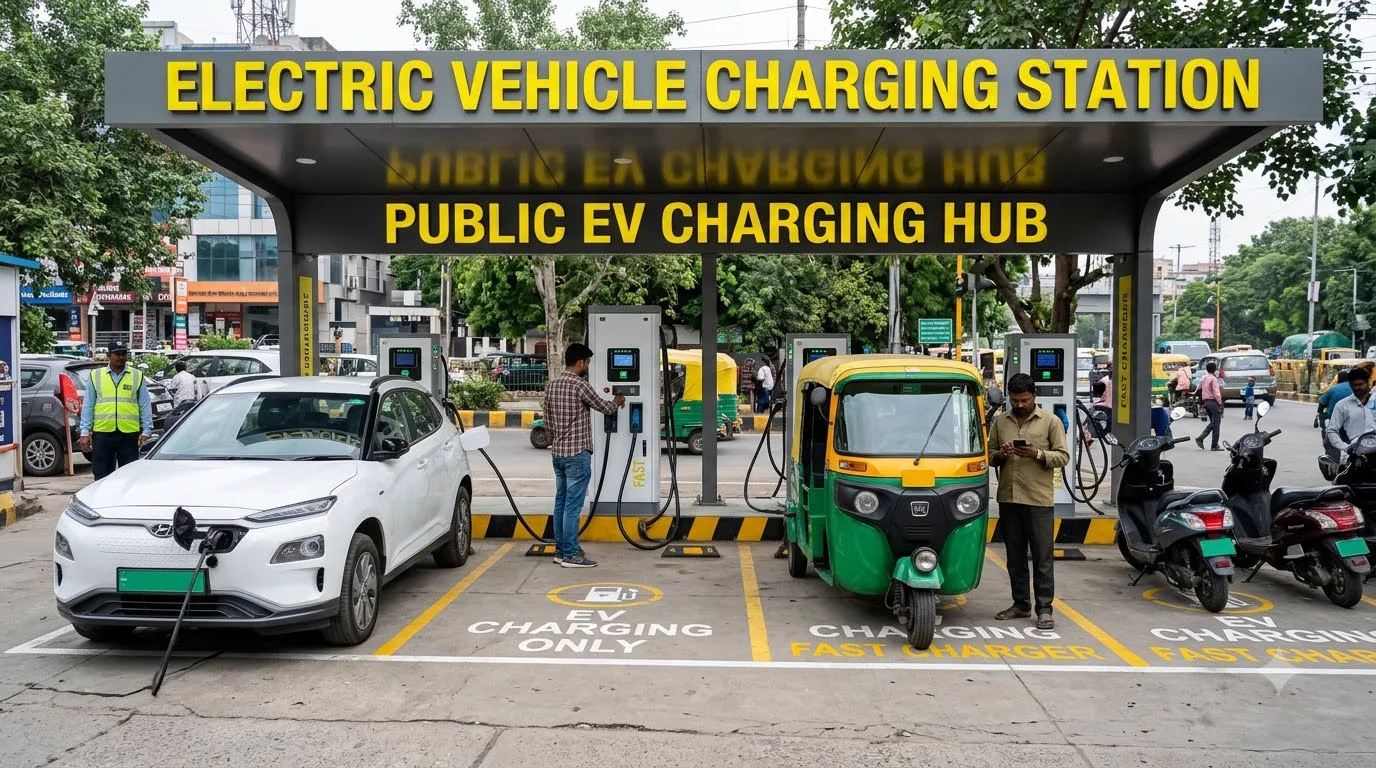
Electric scooters, e-rickshaws and electric cars are becoming a common sight on Patna's roads. As more people switch to EVs, homes, offices, hotels, petrol pumps and commercial complexes are planning an electric vehicle charging station on their premises. The next question is obvious: where does the electricity come from, and how much will it cost?
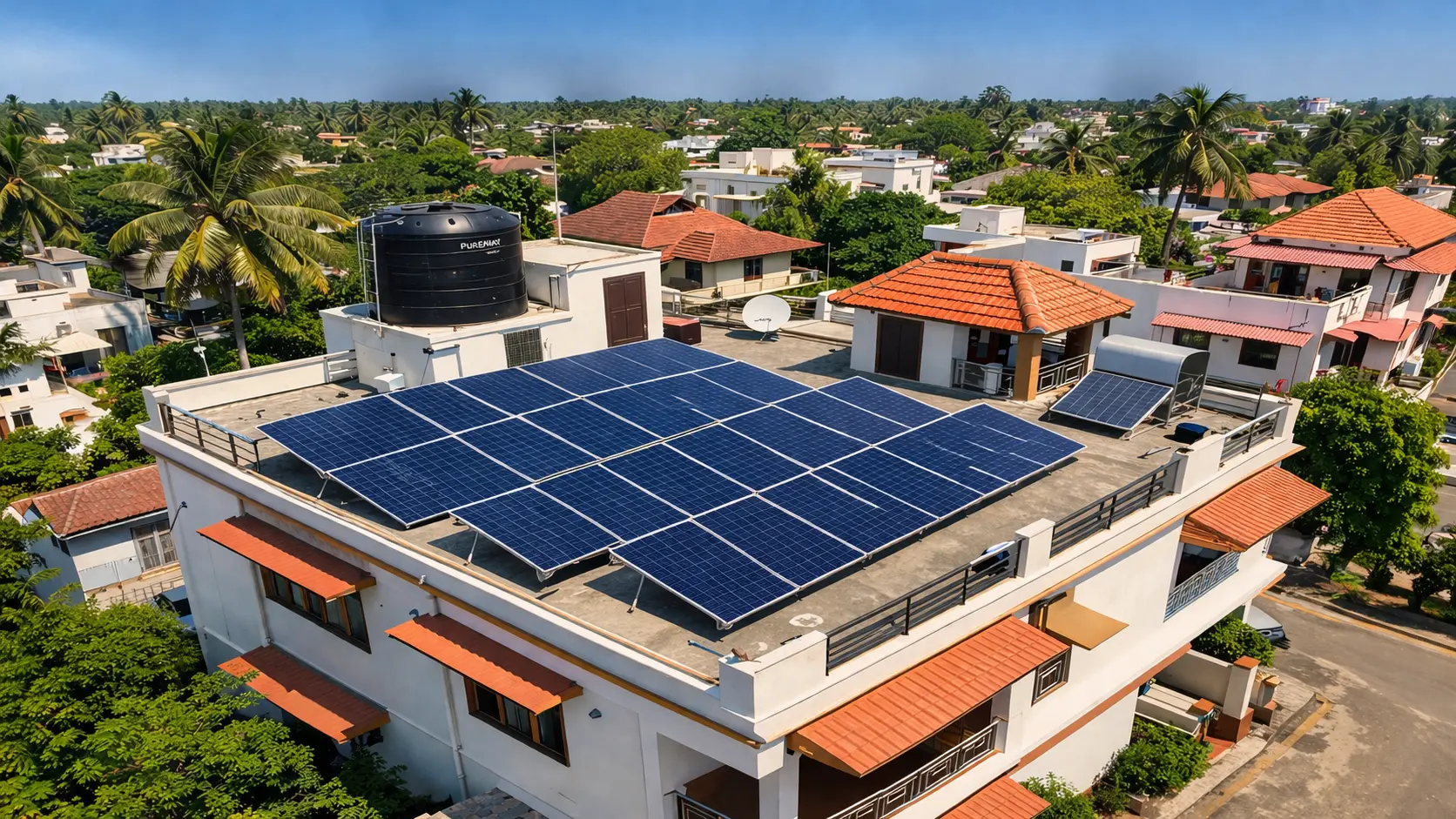
Solar is the natural answer. A rooftop or carport solar system can generate a large share of the electricity your electric vehicle charging station uses, especially for vehicles that charge during the day. ASAWAR KRISHI ENERGY designs and installs the solar power system that supplies your EV charging. The charger itself is supplied by EV charger manufacturers or your chosen vendor — we size and connect the solar side so the whole setup works efficiently.
Tell us how many vehicles you want to charge and when, and we will estimate the solar capacity your electric vehicle charging station needs.
Charge an electric car or scooter at home with power from your rooftop solar system.
Solar systems for e-rickshaw owners and fleet operators who charge several vehicles daily.
Employees' vehicles charge during working hours — the perfect match for solar generation.
Offer EV charging to customers and power it with commercial solar panel systems.
Elevated solar structures over parking spaces that shade vehicles and generate power.
Store daytime solar in lithium batteries for evening charging or backup.
Number and type of vehicles, battery sizes, daily kilometres and preferred charging times.
We review your sanctioned load and existing wiring to see whether upgrades are needed for the charger.
Roof, parking area or open land assessment for panel placement or a carport structure.
We size the solar system, inverter and (if needed) batteries to match your charging load.
We align with the EV charger supplier on power rating, protection and connection points.
Professional solar panel installation, safe wiring, earthing and commissioning.
The answer depends on how much you drive. An electric scooter uses only a small amount of energy per charge, while an electric car battery is much larger. To estimate, we look at your daily kilometres, the vehicle's efficiency and the number of vehicles. For example, a home with one electric car driven moderately every day may need to add a few kilowatts of solar on top of the home's existing load. We calculate this precisely during your solar energy system consultation.
We are a Bihar-based solar company with experience in rooftop, commercial and battery-backed systems. We give honest advice about what solar can and cannot do for your EV charging needs, and we coordinate with your charger vendor so you get one working system. Explore all our solar services or read about our company.
Not every electric vehicle charging station is the same. Most two-wheelers and e-rickshaws charge from a standard socket or a portable charger, drawing relatively low power over several hours. Electric cars can also use slow AC charging from a home socket, but many owners install a dedicated wall-mounted AC charger for faster, safer charging. Commercial sites and highways may use DC fast chargers, which draw much higher power and need significant electrical infrastructure.
The type of charger you choose directly affects how much solar capacity is useful and whether your electrical connection needs an upgrade. Slow daytime charging pairs extremely well with solar, because the vehicle can soak up power gradually while the panels generate. Fast chargers draw more power than a typical rooftop system produces, so they usually rely on a combination of grid supply and solar, sometimes with battery storage.
We help you understand these options so your solar investment matches the way you actually charge.
We focus on the solar power system. The EV charger is usually supplied by the charger manufacturer or your vendor, and we coordinate with them so solar and charger work together.
The charger connects to your building's electrical supply. When solar is generating, that supply comes from your panels, so your car effectively charges on solar.
With an on-grid system, night charging uses grid power, balanced by solar exported in the day. For direct solar use at night you need battery storage.
Yes, especially when several vehicles charge every day. Daytime charging on solar can significantly cut running costs.
Often yes for car chargers. We check your existing load and guide you on the discom process.
Eligible homes can claim PM Surya Ghar subsidy for the rooftop solar system, regardless of what it powers.
Planning an electric vehicle charging station at your home, office, hotel or business in Patna? Book a free consultation and we will design a solar system to power your EV charging.